HANDMADE CUSTOM-FIT HOLSTERS FOR ALMOST ANY GUN


.jpg&width=88&height=88&webp=1&type=cover)

.jpg&width=88&height=88&webp=1&type=cover)


.png&width=88&height=88&webp=1&type=cover)

.jpg&width=88&height=88&webp=1&type=cover)


.jpg&width=88&height=88&webp=1&type=cover)


Best Concealed Carry Holsters
Does the “perfect concealed carry holster” even exist? Honestly, no. We all have our favorites, but there’s no one-size-fits-all solution. I’ve been carrying daily for nearly 20 years, and if there’s one lesson I’ve learned, it’s this: your “perfect holster” will not be someone else’s. Still, I consider it my duty to share what I’ve picked up along the way, especially for beginners and enthusiasts still lost in the sea of holster options.
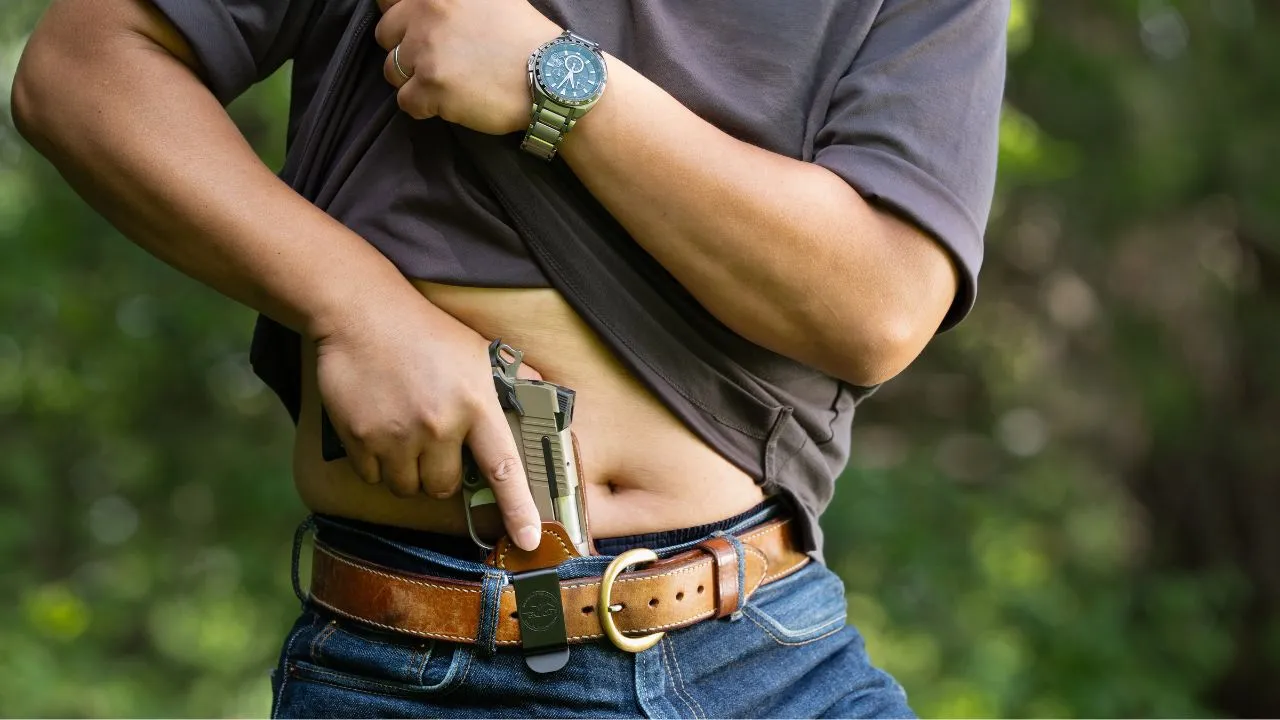
What affects your concealed carry?
Before you even start shopping for an IWB holster, this is the million-dollar question. Jump in blindly, and you’ll wind up with a drawer full of holsters — trust me, I’ve been there.
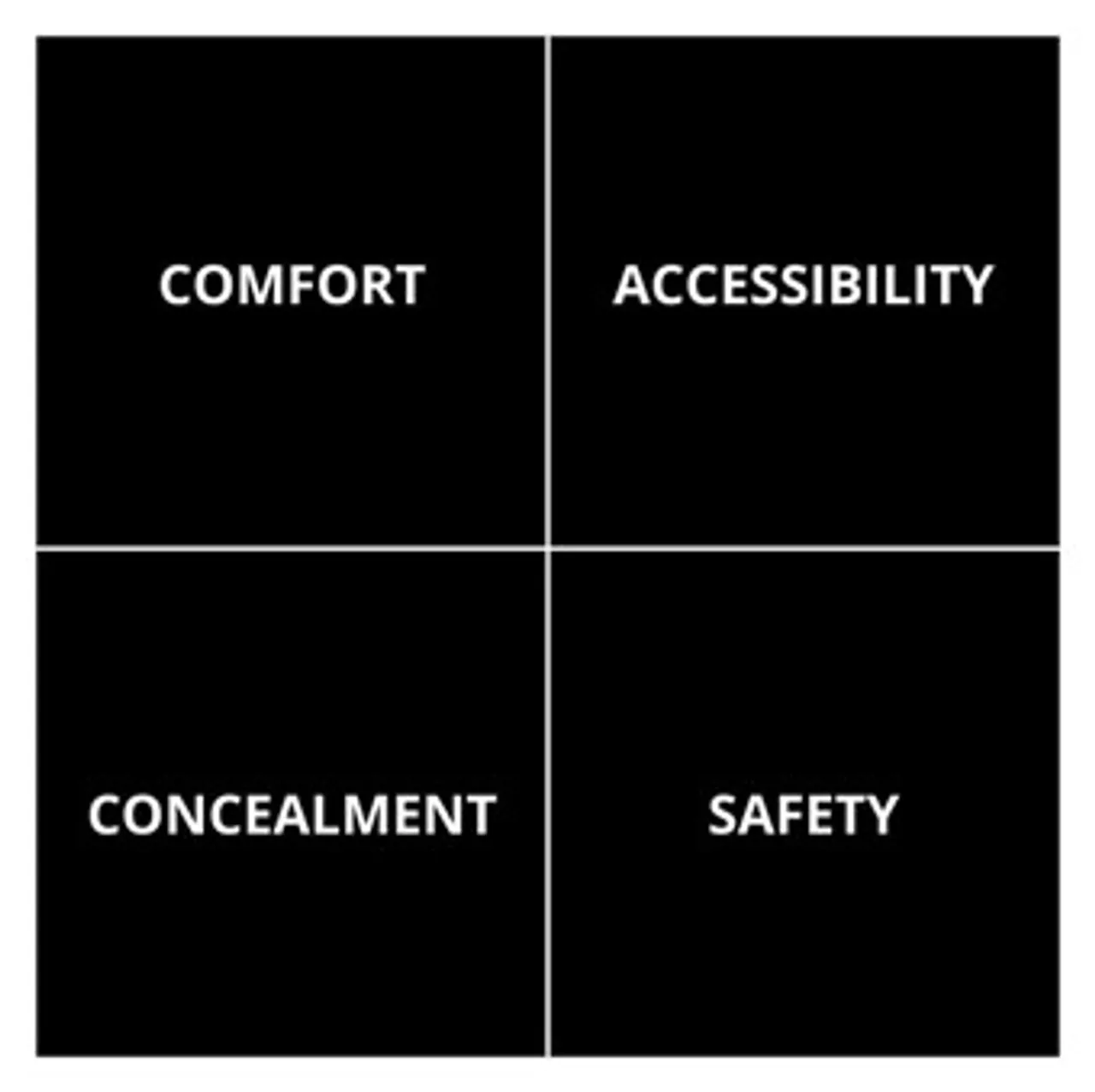
Concealed carry boils down to three key factors:

- Comfort
- Accessibility
- Concealment
But there’s one more, often overlooked, and it should be at the top of your list:
- Safety
Without safety, none of the other three matter.
So, where do you start? You could collect holsters like Pokémon cards (trial and error), or you can use my method — a little smarter, a little cheaper, and way less frustrating.
Finding your concealed carry holster position
First things first, clear your handgun. Empty chamber, decocked, safe to handle. Or better yet, grab a training pistol or even an airsoft replica. Now, dress normally. Jeans or pants that take a belt (and yes, wear the belt). Here’s the drill:
- Slide your handgun inside your waistband at 11 o’clock.
- Cover it with your shirt.
- Move around — walk, sit, lean left and right, bend over, even try a little hop (without launching the gun across the room).
- Pay attention to three things:
- 1. Does the grip print through your shirt?
- 2. How comfortable is it?
- 3. How fast could you draw if you needed to?
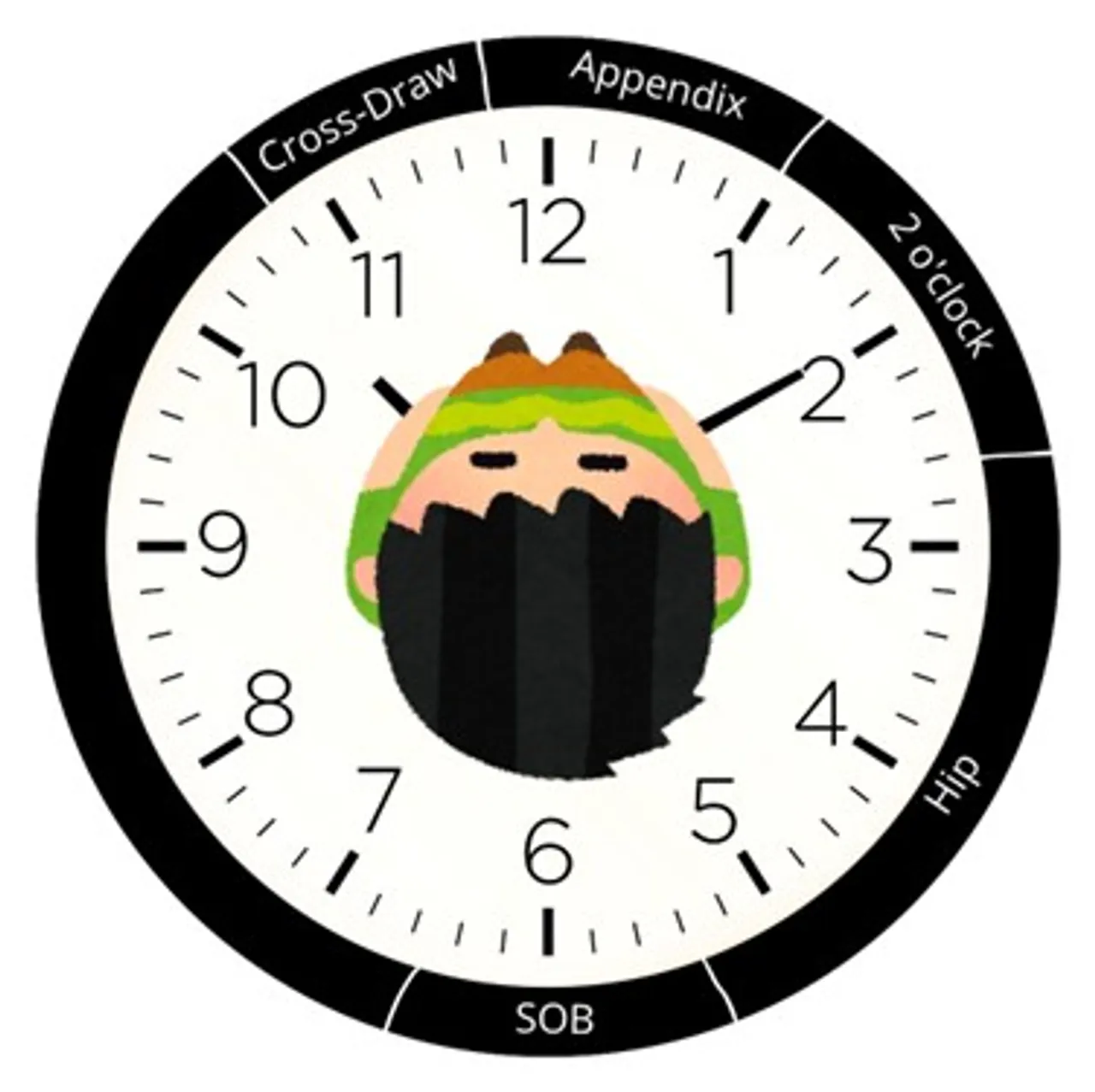
Work your way around the clock, from 11 o’clock all the way to 6 o’clock. By the end, you’ll have a solid idea of where your handgun naturally belongs on your body.
The myth of the “best” appendix holster
Let’s clear up the biggest myth right now: Appendix carry is the best. Not true. It might be the most popular and arguably the most accessible, but it’s definitely not for everyone.

Here’s why: every body is different. Maybe you’ve got a dad bod that makes 12 o’clock feel like shoving a brick under your belt. Or maybe you simply can’t stomach the idea of pointing your handgun at your… family jewels. That’s fair. Clothing matters too. If the idea of upsizing your wardrobe to fit your gun makes you groan, then appendix carry probably isn’t for you.
And don’t let Reddit or YouTube convince you otherwise. Those guys have figured out what works for them — that doesn’t make it gospel. Carrying is personal. It’s about your gun, your holster, and your safety. Period.
Best IWB holster options
So, what’s the “best” holster? By now, you already know the answer: it depends. Let’s walk through the main positions and my recommended options.
Cross-Draw IWB Holster
Not common, but a lifesaver for drivers or desk jockeys. If you sit a lot, this position is ridiculously comfortable. The catch? You need a holster with the right negative cant, otherwise drawing feels like yoga.
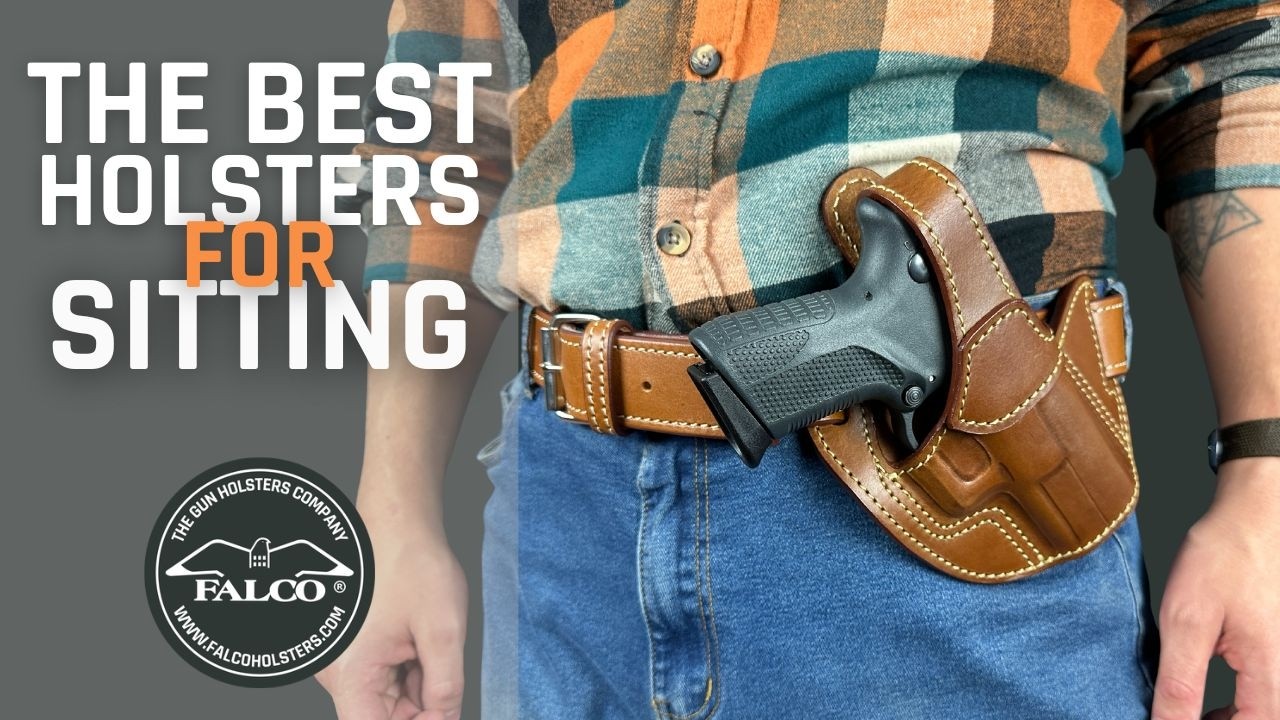
A105 Falcon
Can be ordered with cross-draw cant. Open-top design speeds up your draw, and the Italian leather means it’ll outlive your jeans.
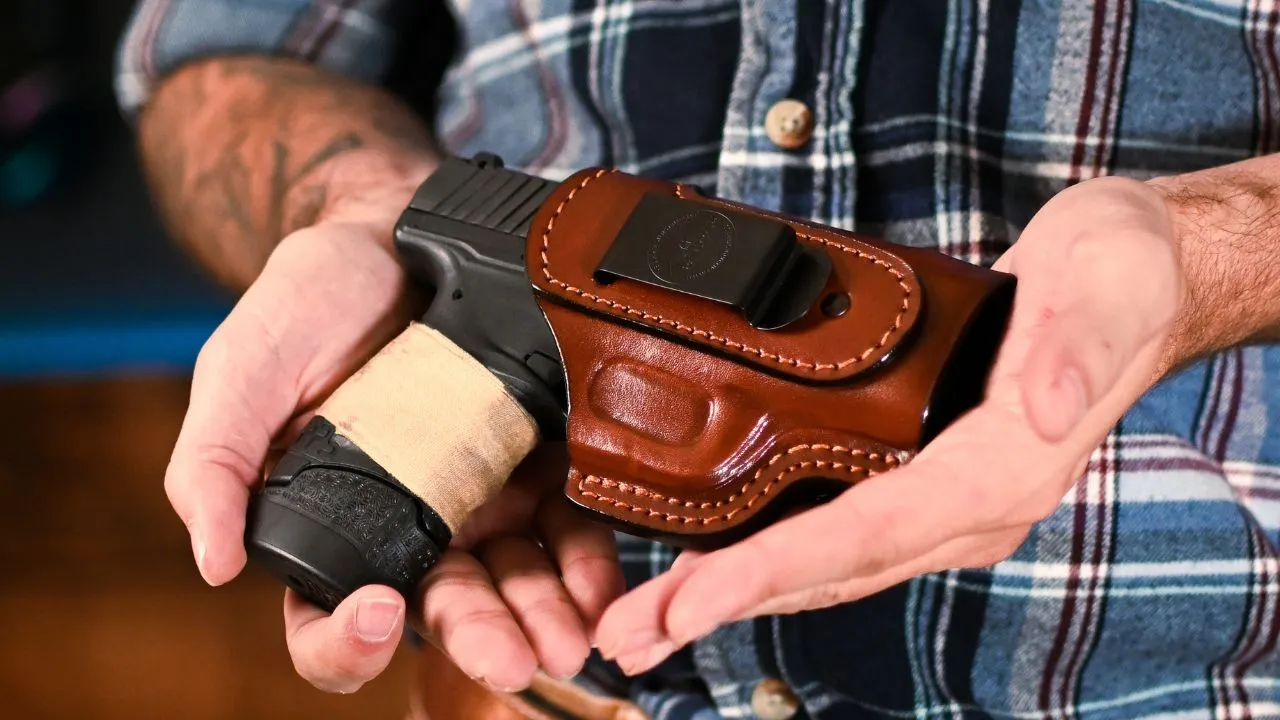
B104 Belly Band
A breathable yet firm band that’s so comfortable you’ll forget you’re carrying.

Appendix Holster
If appendix carry works for you, great. But remember: this position demands extra safety. That means a fully covered trigger guard and a tough material like KYDEX® or carbon fiber. Add a concealment wing/claw, and your gun practically disappears.
AX91
Lightweight & durable thanks to the carbon fiber, and it even comes with a concealment wing that makes printing vanish.

A911 L
Designed for pistols with lights. Leather construction adds comfort (because sitting with a hard Kydex block in your lap is torture).

Hip IWB Holster
If you’re like me and prefer carrying on the hip or slightly back, stability is key. Look for dual clips to keep the holster in place, plus a bit of cant to improve draw angle and concealment.
A908 L
Leather/Kydex hybrid with perforated backing. Comfortable, light-ready, and fitted with tuckable clips.
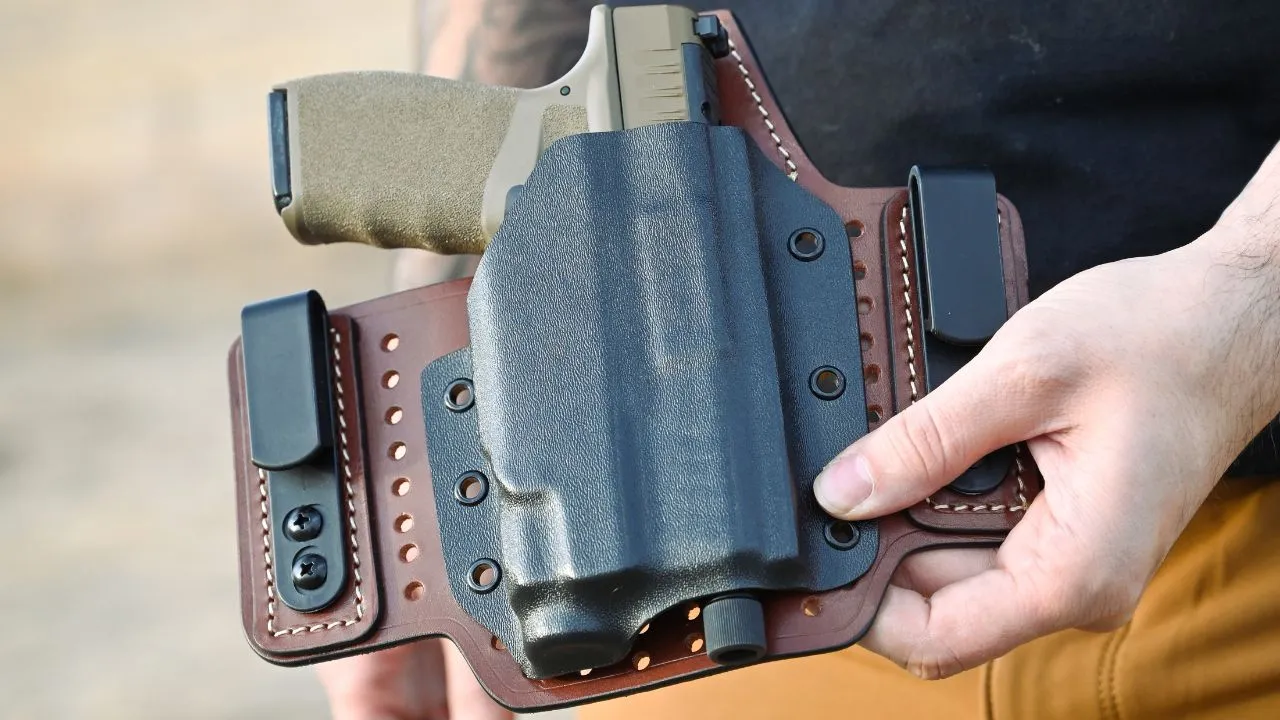
A113 Caracara
Classic all-leather option with endless customization. Reinforced top ensures it won’t collapse when you draw.
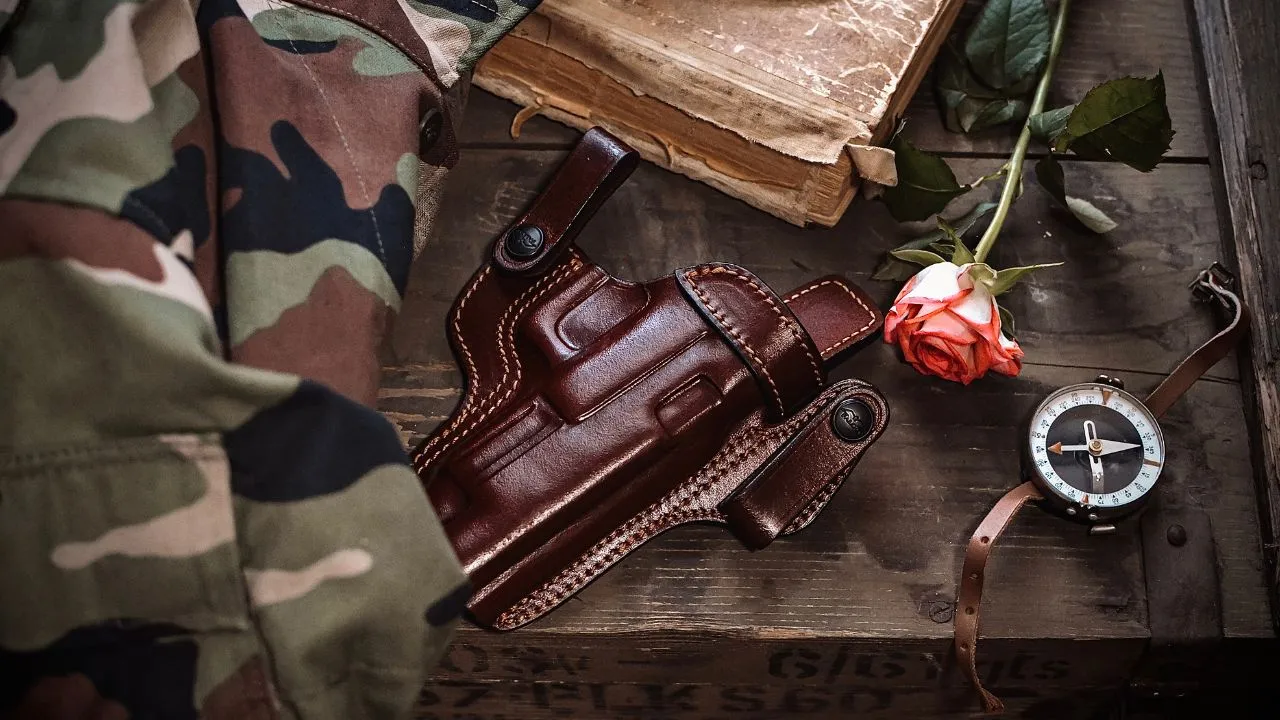
SOB (Small of Back) IWB Holster
Ah, the controversial one. Small-of-back carry has its drawbacks: fall on your back, and you could get seriously injured. It’s also slower to draw from. That said, it offers two big perks:
- Virtually invisible printing thanks to your spine’s curve.
- A surprise factor — attackers don’t see it coming when you draw from behind.
A706 Gordon
SOB-specific cant, steel clip, open top for faster draw.

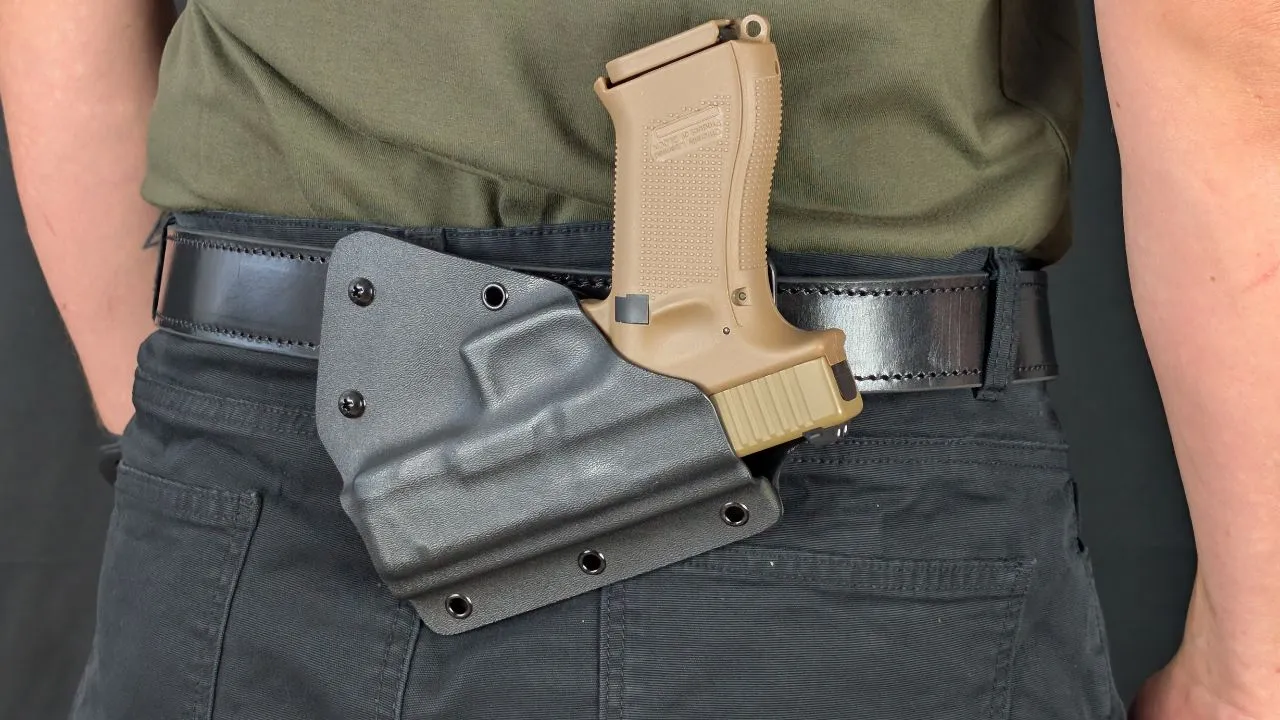
C914
A Kydex OWB that works surprisingly well here. In colder months, OWB can conceal just fine, and the Kydex retention adds security.
When No Holster Works
Let’s be honest — not everyone can get used to carrying a handgun on-body just like that. Maybe it’s the discomfort, the printing, or simply not wanting to adjust your wardrobe. If that’s you, don’t give up. Consider a concealed carry bag.

Choose one that looks normal (not “tacticool”) and make sure it has a dedicated gun compartment with nothing else inside. Mixing your pistol with keys, pens, or snacks is a disaster waiting to happen. And one last rule: never take the bag off your body unless you’re home. Leave it somewhere once, and you’ll never forgive yourself.
Clothing and Carry: What Works and What Doesn’t
Your holster choice is only half the battle — clothing can make or break your concealed carry. Even the best holster won’t help if your wardrobe works against you.
The first rule is fit. Super-tight clothes will print like a neon sign, while oversized, baggy clothing makes you look like you’re hiding something (because, well… you are). Aim for a balanced fit: shirts and pants that skim the body without clinging.

Fabric matters, too. Thicker or textured materials like flannel, denim, or even polos do a better job of hiding the outline of a handgun than thin, clingy fabrics. Patterns help as well — a plaid or heathered shirt breaks up lines far better than a plain, solid tee.
When it comes to shirts, untucked generally offers better concealment, especially for hip or SOB carry. Tucked-in styles can work for appendix carry if your holster allows a neat tuck, but be aware that reaching for something overhead may expose your grip.
Outer layers are the unsung heroes. A light jacket, overshirt, or vest hides printing with almost no effort, but remember that extra layers also mean extra steps in your draw. Practice pulling through what you actually wear.

Don’t overlook belts and pants. A flimsy belt lets your holster sag and shift, while a sturdy carry belt keeps everything stable. Pants with decent belt loops and a little extra room around the waistband make life much easier.
Finally, adapt by season. In summer, lightweight fabrics make concealment trickier, so patterns and looser fits help. In winter, bulky coats conceal beautifully — just don’t forget to train with them, because speed counts too.
Clothing isn’t just style. It’s gear. Treat your wardrobe as part of your setup, and your carry will feel (and look) a whole lot smoother.
Final Thoughts
Finding the “best” concealed carry holster isn’t about brands or trends. It’s about your body, your lifestyle, and your safety. Try different positions, be honest about your comfort, and don’t let internet experts bully you into thinking there’s only one right way.

At the end of the day, the best holster is the one that lets you carry safely, confidently, and comfortably — no matter where it sits on the clock.


Andrew Miller
30.9.2025


