HANDMADE CUSTOM-FIT HOLSTERS FOR ALMOST ANY GUN



.jpg&width=88&height=88&webp=1&type=cover)

.jpg&width=88&height=88&webp=1&type=cover)


.png&width=88&height=88&webp=1&type=cover)

.jpg&width=88&height=88&webp=1&type=cover)


.jpg&width=88&height=88&webp=1&type=cover)


How I Choose Ammunition
On the face of it ammunition selection isn’t terribly complicated. Choose effective ammunition recommended by the pros and you should have good protection.

The cup and core design, left, is viable for some uses while modern bonded core projectiles, right, offer superior penetration and will defeat light cover
But there is more to it than that. My definition of a professional goes far beyond most thoughts on the subject. The pros I respect are little known or heralded but work in ballistics labs at major ammunition makers or conduct testing for institutions. The work is straightforward and there simply isn’t any other way to do it than the right way. While each of us may conduct testing on our own we have to compare what we do to institutional testing.

Federal’s HST is among the most proven loads
The French government fired over 700,000 rounds of ammunition when choosing their SIG duty pistols. The FBI tested Glock handguns to well over 30,000 rounds and the Ohio State Patrol fired 228,000 rounds in testing a few decades ago. The handguns involved were well proven – or not after the test. Gun writers don’t have those kind of resources.
On a much smaller scale we may test our personal choices with a degree of validity. Often someone will assert their experience with ammunition and yet they have no test fixtures, pressure testing equipment, or even a chronograph. Unrealistic ballistic medium such as duct seal or modeling clay was found unreliable decades ago yet occasionally you see some worthy still using such material. We need to remain affixed to reality in our testing. It may surprise some but ballistic testing in gelatin to test the balance of expansion and penetration is my last step in handgun ammunition.

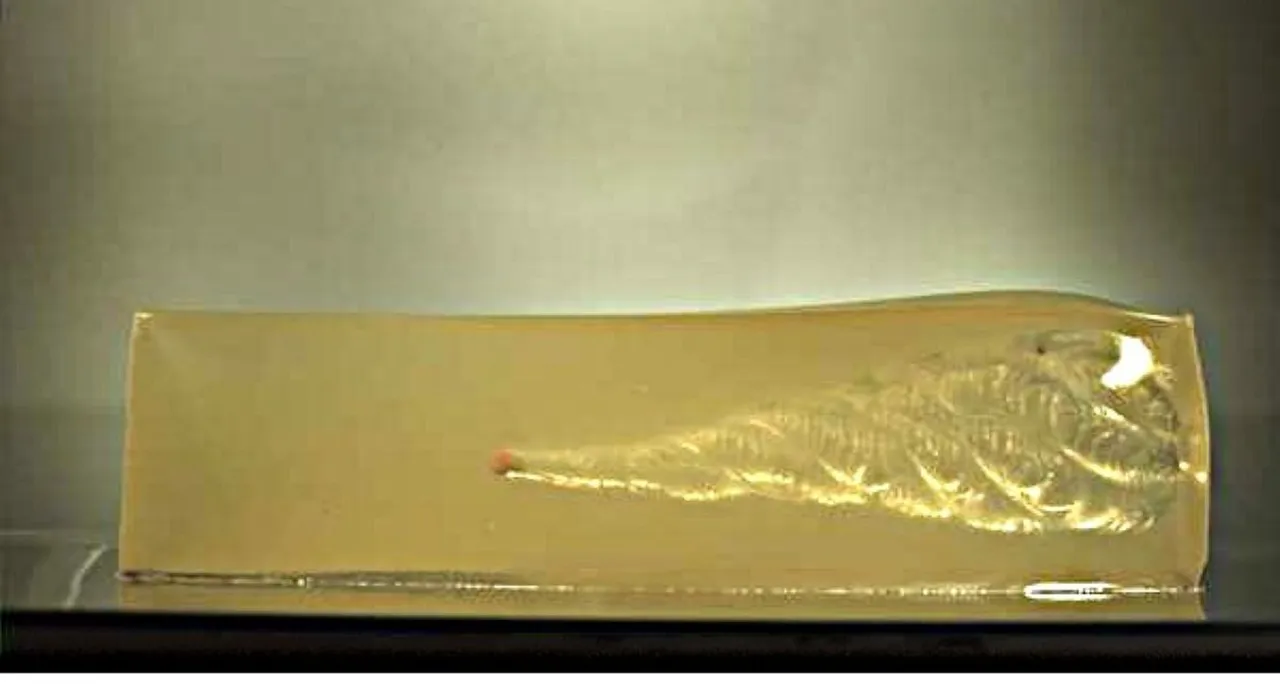
These tracks in gelatin are known as the wound channel
Training Ammunition
Training ammunition should be chosen on criteria other than price. It is true that steel cased 9mm ammunition has an appeal based on economy. But the loads don’t burn clean due to inferior powder technology and excess pressure blow by since the steel case doesn’t give. Brass cases expand and adhere to the chamber wall. Ammunition is much more affordable today than during the pandemic fueled shortage. During the last ammunition shortage brand loyalty took a hit. We could not find our preferred ammunition but took what we could get. I was running training with up to twenty shooters a day and ammunition was difficult find in sufficient quantity. Some affordable ammunition performed well and new companies filled in the gap. Today generic loads by Federal, Remington, Speer and Winchester in full metal jacketed form are a good choice and are usually accurate enough for competition use.
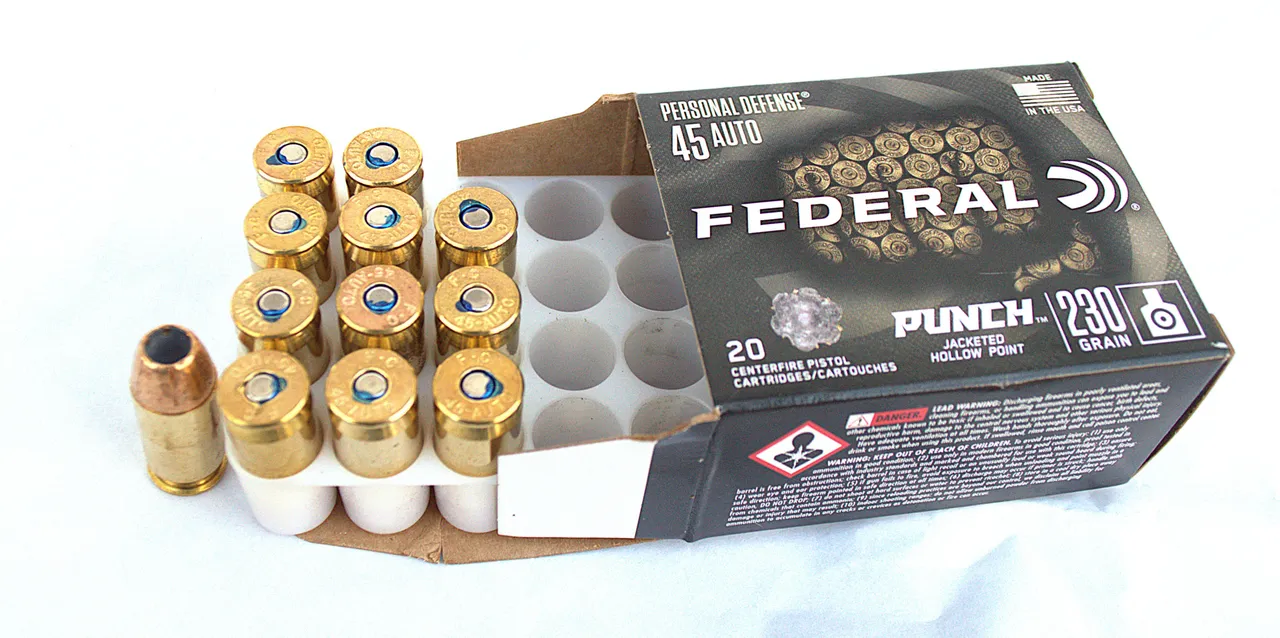
The affordable Federal Punch line features good primer seal
Personal Defense Testing
Handguns are individuals and some prefer one load to the other as far as absolute accuracy, but most ammunition is accurate enough for personal defense.
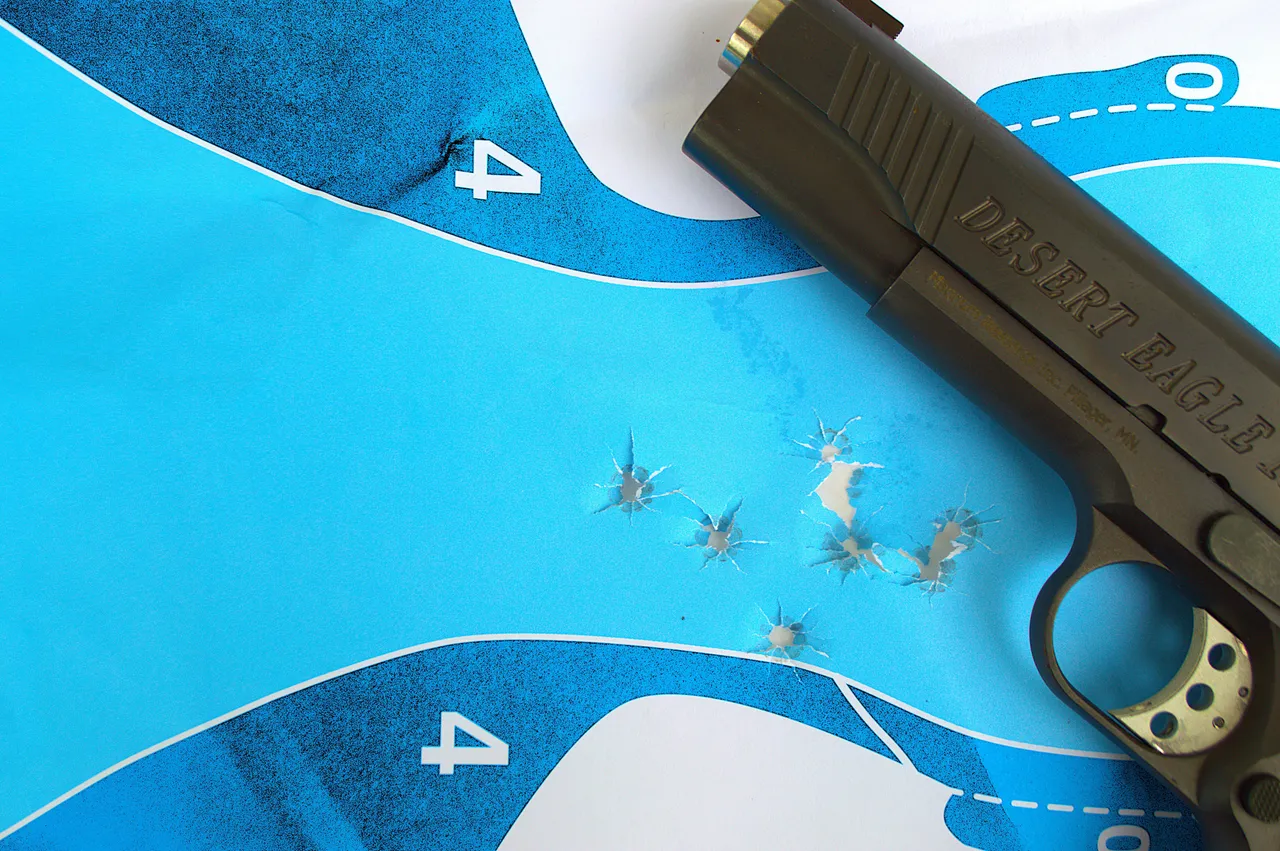
Most handguns are more than accurate enough for defense use
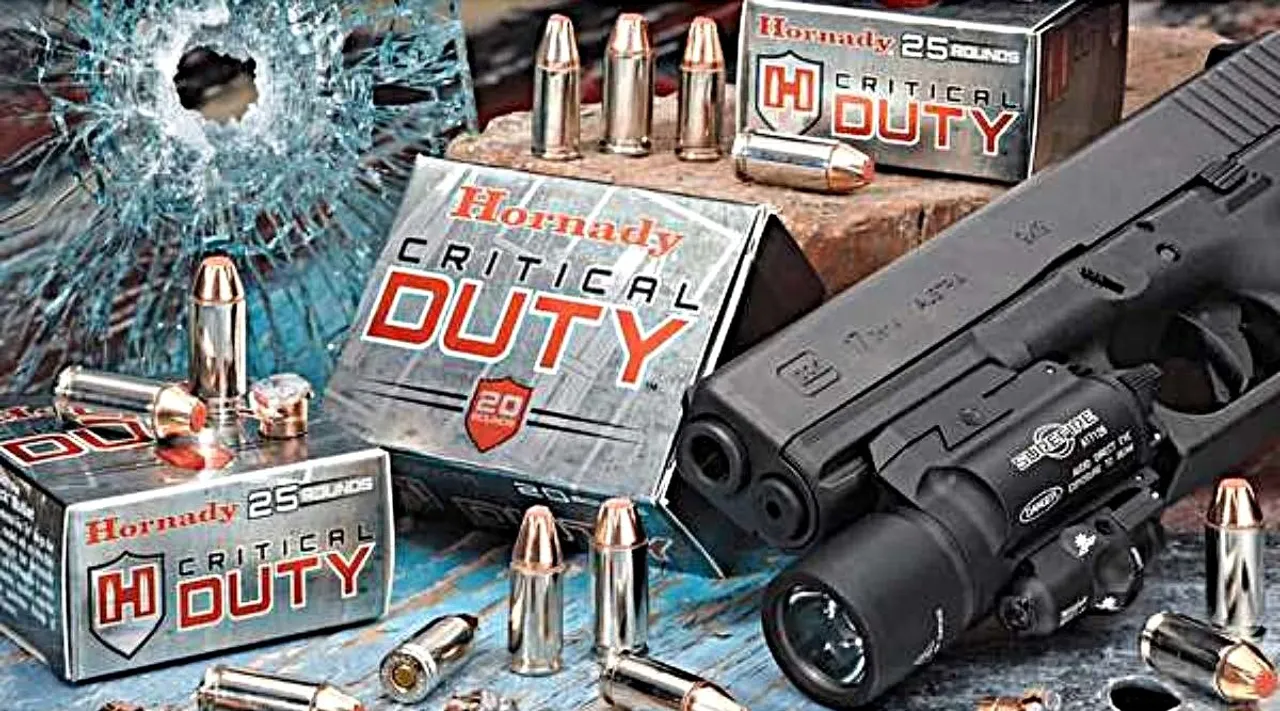
Modern service ammunition offers excellent reliability and performance
Modern service grade handguns should feed, chamber, fire and eject all types of ammunition. Some loads are more reliable than others. It is good to know which loads fall into a certain area of performance in case the first choice becomes unavailable or is out of production. Before proceeding to ballistic testing I confirm the load has good case mouth and primer seal. As an example during the course of a few weeks you may load and unload the handgun a number of times. It is possible for the bullet to move back into the cartridge case as a result of bumping across the feed ramp. Quality service grade ammunition features case mouth seal that prevents the bullet from being pushed back into the cartridge case. Another desirable feature is primer seal to prevent oil water and solvent from contaminating the primer. Federal uses blue seal, Winchester is red. A good seal may be added to ammunition simply by running nail polish across the primer to seal the primer. Practice ammunition doesn’t have to have this type of primer or case mouth seal as it is simply a practice load. I test cartridge integrity in service loads by soaking a cartridge in oil, water, and solvent, respectively. I soak a cartridge in each of these liquids overnight and then fire it the next day. The load should fire and modern service grade ammunition does fire off after immersion.
To test case mouth seal I load a single round in the magazine and then chamber it in the handgun- following all safety procedure. I remove the cartridge from the chamber by racking the slide and then repeat the procedure three times. The bullet should not be bumped into the cartridge case. On this point some ammunition does not pass the test. If the bullet is pressed backward into the case then there is more chance of powder contamination by moisture. Pressure is driven up if the cartridge is fired with a bullet bumped into the case. Service grade loads such as the Speer Gold Dot, Federal HST, Hornady Critical Duty, and Winchester Ranger loads pass this test. Whether a competing load will pass is open to speculation until tested. These two tests are undertaken and if the cartridge passes these tests I move to a firing test.
 Hornady ammunition conducts extensive testing before a product is released to the public
In the firing test I fire at least fifty cartridges to ensure feed reliability. I make certain the ammunition is properly loaded in the magazine by loading three to four cartridges then tapping the back of the magazine on a hard surface to seat the ammunition properly in the magazine. I lock the slide to the rear and drop the slide to load the first cartridge. I maintain a firm firing grip and fire the magazine until empty. Fifty cartridges is a short test but a minimum test of a new load in a reliable handgun. That is the key- the handgun should be proven reliable and the magazines as well. If you have a stoppage it should be traceable to the ammunition.
I check to see how clean the powder burns. A full powder burn is desirable. All handguns have short barrels compared to a rifle. A fast burning powder is efficient and often doesn’t exhibit any muzzle signature, perhaps only sparks or a warm glow. Medium to slow burning powder as used in Magnum revolvers doesn’t burn cleanly in short barrels. The result is a tremendous muzzle flash and blast with the powder burning outside the barrel. The 9mm and .45 ACP are often very efficient in this regard. Less unburned powder results in less powder ash in the handgun after firing.

No matter how reliable the individual revolver may be test the ammunition! The Manuhrin MR88 and Buffalo Bore ammunition is a great outdoors load for protection against dangerous beasts.
Next, I settle into a seated firing position and fire from a braced position to test accuracy. Accuracy is relative. I have a different standard for subcompact, compact, and service size handguns. A service size handgun should fire a three inch group of five shots at 25 yards. A compact should do the same at 15 yards. Some handguns are much more accurate, some less so. I would not wish to bet my life on a handgun that isn’t capable of a four inch five shot group at 25 yards. Recoil should not be excessive for the caliber. Recoil means something as relates to powder selection and energy. I test the load’s velocity. A chronograph such a the RCBS Ammomaster is affordable but provides accurate readings. The major makers are usually accurate as regards velocity figures. Other makers grossly overstate velocity. A low standard deviation is desirable. This is simply the deviation in velocity between shots. A fifteen feet per second different in velocity shot to shot is more than acceptable.
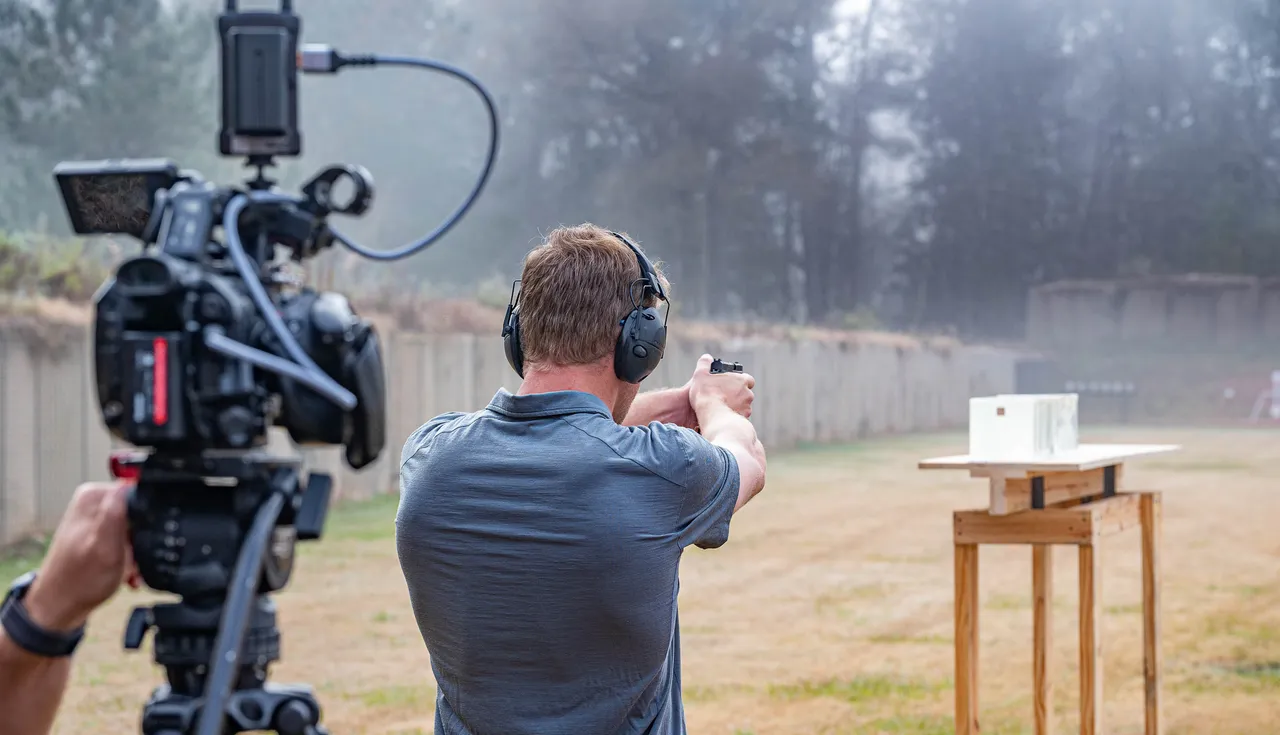
It is important to use repeatable and verifiable procedure when testing ammunition. (Fiocchi photo)
Note - revolver reliability- while some still use revolvers, particularly in the backup role, they also tend to overstate the reliability advantage. Revolvers will take a lot of use while self loading handguns take a lot of abuse. The only modification I make when testing revolver ammunition is to fire the revolver several times to check the hold of the crimp on the bullet. This is especially important with lead bullet loads. I may fire fifteen rounds in a six shot revolver while leaving a single load unfired and making certain it rides through all three firing tests without jumping the crimp. This is very important. You may be surprised how many bullets in heavy kicking Magnum revolvers will move a bit during firing.
After the load meets all of this criteria and not before I test ballistic effect. I use two mediums. For a quick study I sometimes use water. Penetration and expansion are within ten per cent of the results obtained in gelatin and shooters across the world may use this medium to compare loads with a high degree of success. The superior method is to use Ballistic Gelatin such as Clear Ballistics. Penetration and expansion are easily measured and the wound track is measurable. For service use penetration of 16 to 18 inches is desirable. The bullet should expand to 1.5 the original diameter. For some uses less penetration is acceptable but in nose case should penetration fall below 12 inches minimum.

Ballistic gelatin is the ideal media for comparing bullet performance
While major companies furnish ballistic results that are accurate you may do your own research. Study tests by those with proper equipment. You will be able to choose a load well suited to personal defense and duty use.


Bob Campbell
16.1.2026


