HANDMADE CUSTOM-FIT HOLSTERS FOR ALMOST ANY GUN


How to properly adjust & wear Shoulder Holster – Advanced guide
A properly adjusted shoulder holster makes a big difference in comfort, concealment, and everyday carry. But finding the right fit isn't always as simple as tightening a few straps. Different shoulder holster designs require different adjustments. In this guide, we'll show you how to position your holster, adjust the harness and belt tie-downs, and balance your setup. We'll also cover sizing, compatibility, and common fit problems.
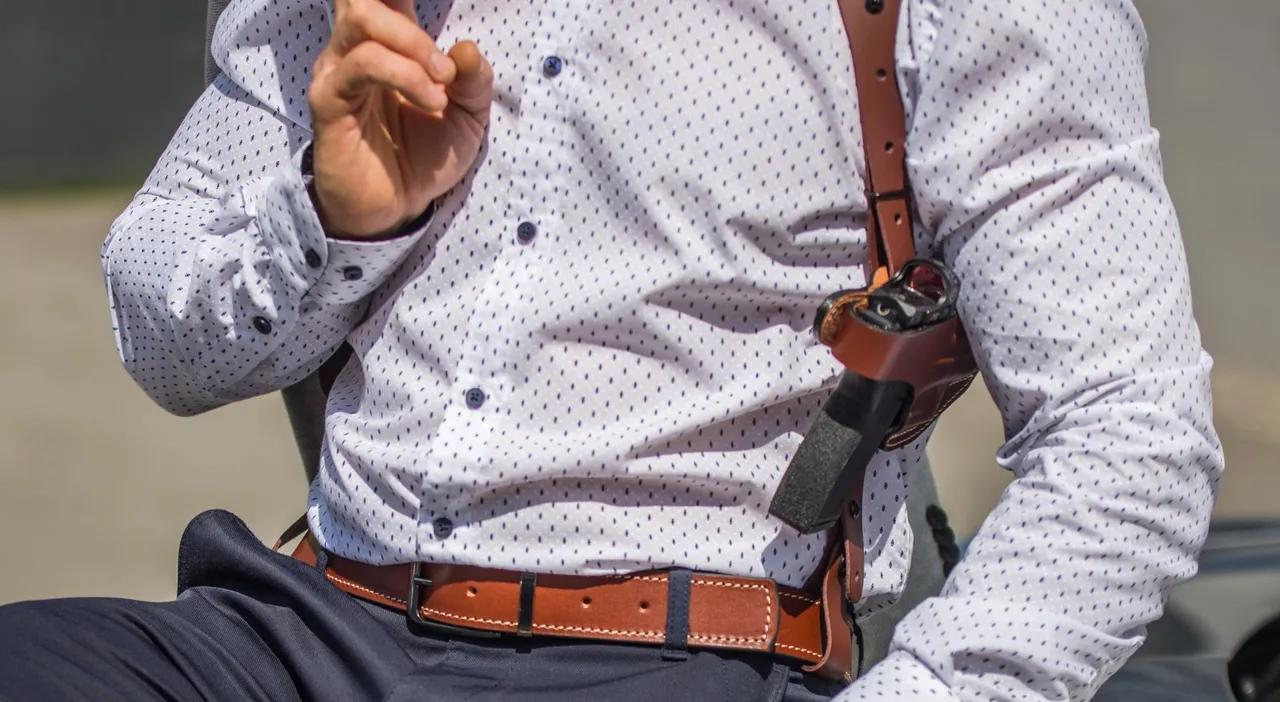
How to Adjust a Shoulder Holster
Vertical shoulder holsters and horizontal shoulder holsters follow similar basic adjustment principles, but each design requires a slightly different approach to achieve the right fit. Before making adjustments, make sure your firearm is unloaded and follow safe handling practices throughout the fitting process.
Adjusting the Shoulder Harness
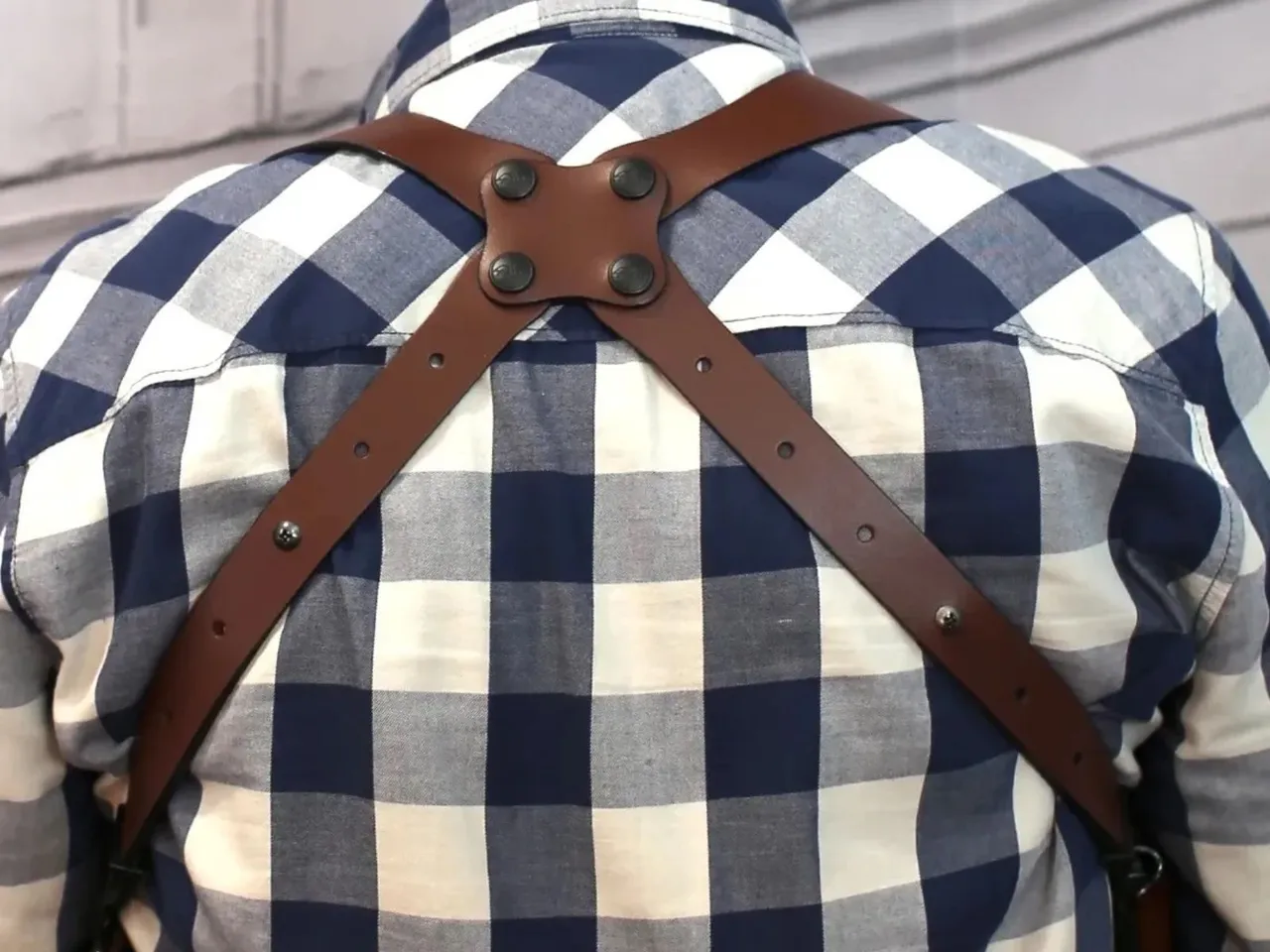
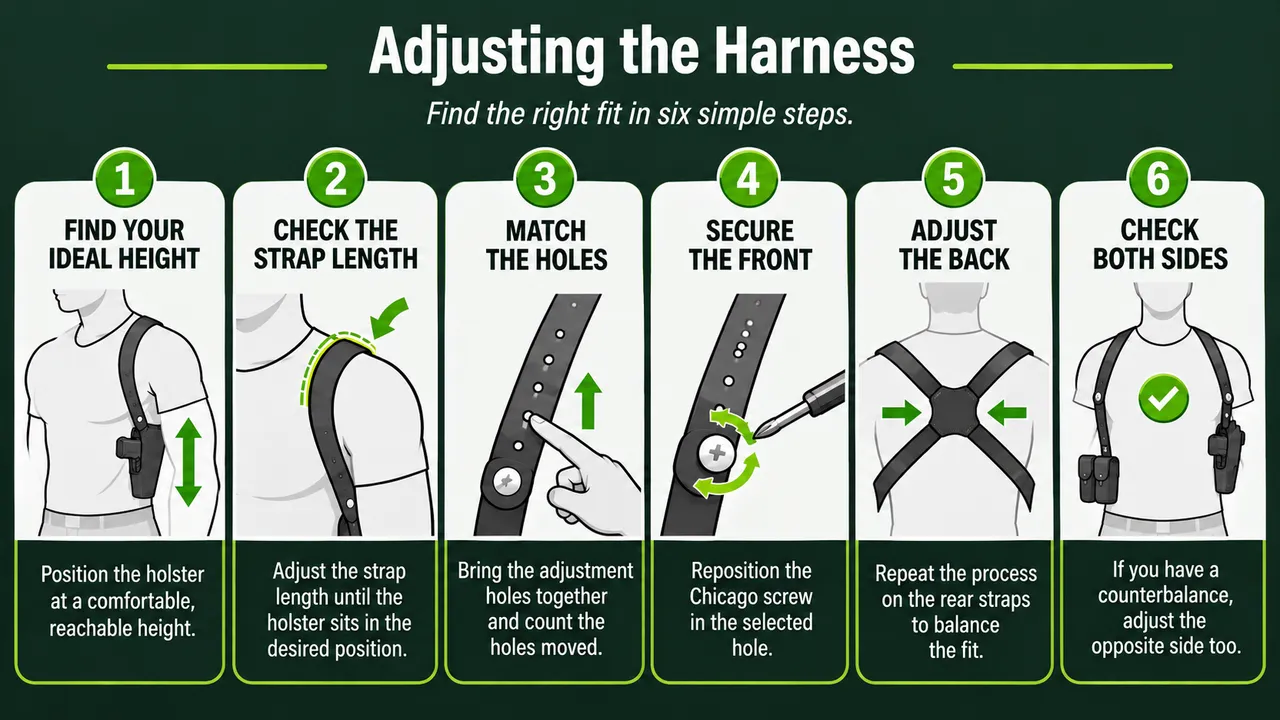
A properly adjusted shoulder harness is essential for comfort, stability, and easy access to your firearm. Finding the right fit starts with positioning your holster at the most comfortable height.
Start by reaching for the grip at different heights, from just below your armpit to the lower part of your ribs. Find the position that feels most natural and allows you to reach the grip comfortably. This will help you determine where the holster should sit for a smooth, natural draw.
While wearing your shoulder holster, move it into your preferred position. If you can't position the holster where you want it, the harness may be too short. Loosen the straps and try again. If the harness lifts away from your shoulder, you'll need to shorten it.
Keep the holster in your preferred position. Place your index finger on one of the adjustment holes in the front harness strap and bring it toward the next hole above it. Still too loose? Continue moving to the next adjustment hole until the front of the harness sits straight. Count how many holes you moved, then remove the holster.
Using a Phillips screwdriver, unscrew the Chicago screw on the front of the harness. Move the strap to the correct adjustment hole, counting the holes as you go. Once you've reached the right position, reattach the screw. If the screw is difficult to loosen, use a flathead screwdriver to hold the back of the screw in place. Alternatively, press the back of the screw into the rubber padding to prevent it from turning.
If you have a smaller frame, you may find that even the shortest adjustment isn't enough. In that case, use a different attachment hole instead of the first one and tuck the excess strap underneath the harness.
At this point, the holster may sit too far forward, or the back of the harness may still bunch up. That's why it's important to adjust the rear straps as well. Release the holster and reach behind your back. Bring the adjustment holes together until the holster moves into the desired position. Then reposition the Chicago screw based on the amount of excess strap, just as you did with the front.
If your shoulder holster includes a counterbalance with magazine pouches, cartridge holders, or speedloader pouches, repeat the same process on the opposite side.
Adjusting a Single Shoulder Harness
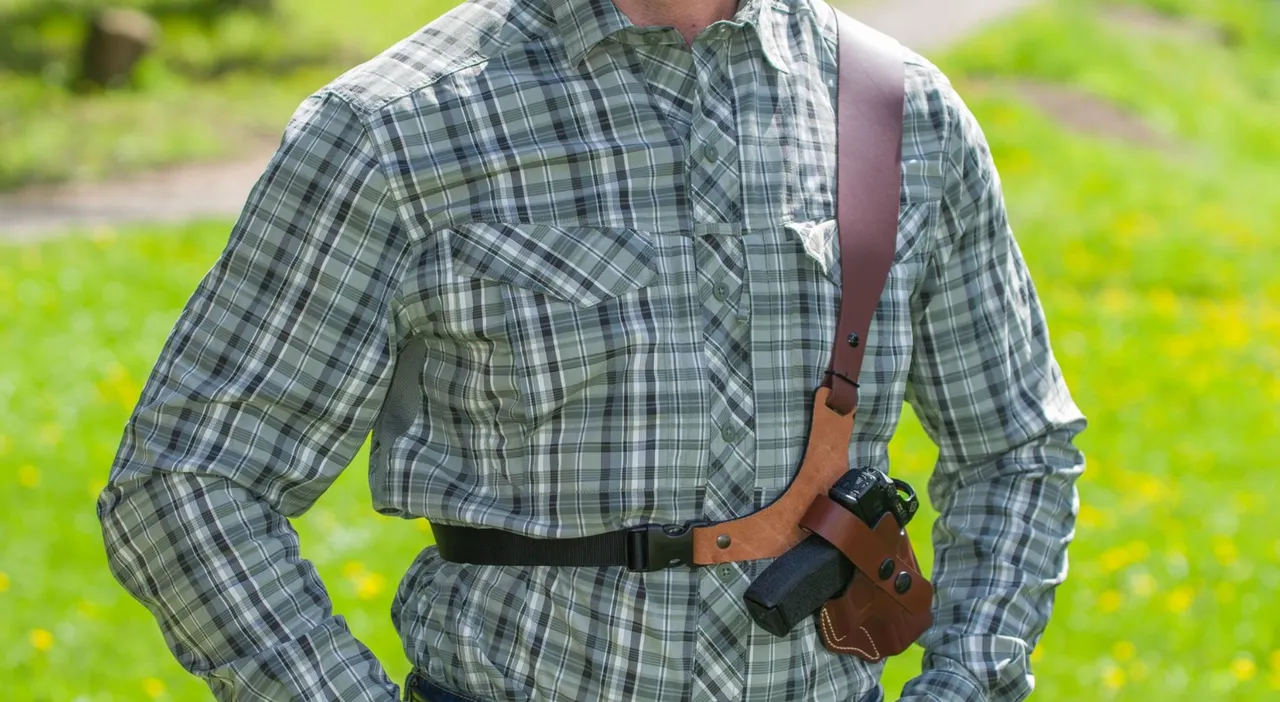
If you're using a single shoulder harness, start by adjusting the holster according to the previous instructions. Next, attach the bottom loop of the elastic side to your belt and position the harness as shown in the illustration.

The goal is to keep the holster in position without putting unnecessary tension on the leather portion of the harness. We'll explain how to adjust these straps in the next section.
Adjusting Nylon and Elastic Harness Straps
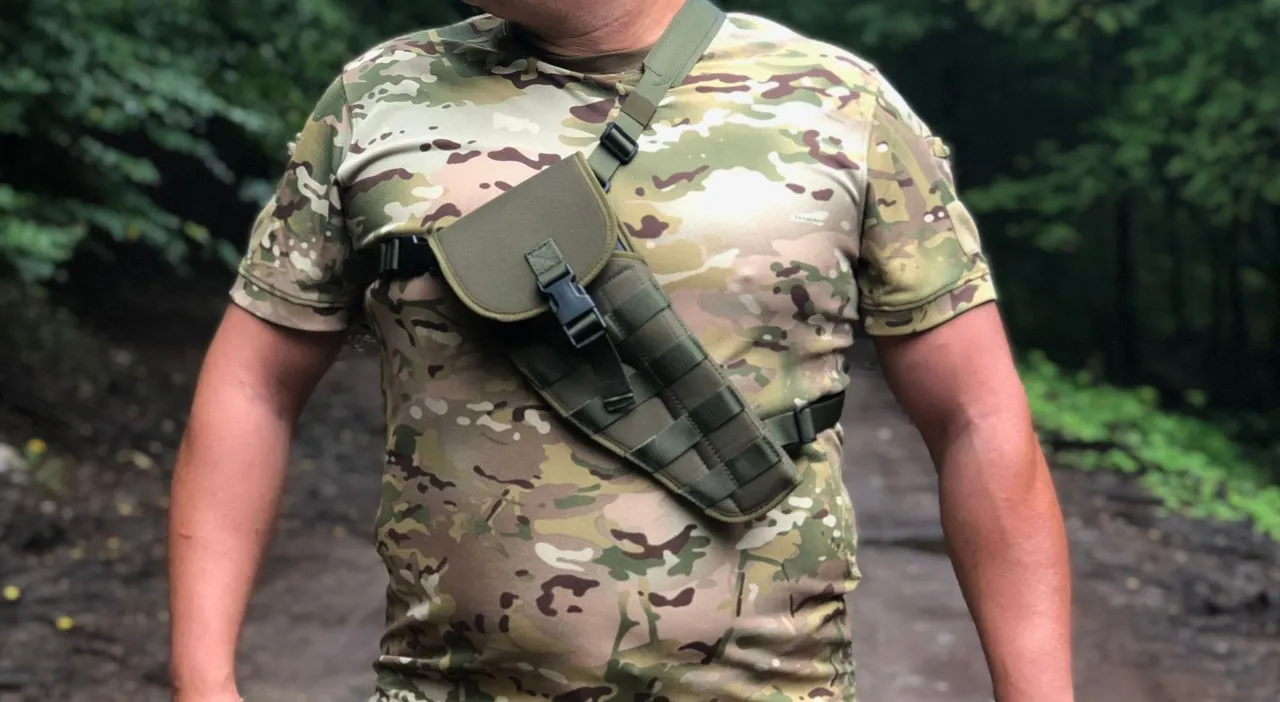
Nylon and Elastic shoulder holsters use a classic strap adjustment system instead of Chicago screws. This system features a ladder-lock buckle, with a single layer of webbing on one side and two overlapping layers on the other.

How to Adjust Shoulder Holster Belt Tie-Downs
Once the shoulder harness fits correctly, the next step is adjusting the belt tie-downs. These straps connect the holster or counterbalance to your belt and help keep the entire setup stable. The adjustment process depends on whether your shoulder holster has integrated belt loops or separate tie-down straps.
Shoulder Holsters with Integrated Belt Loops
Some vertical shoulder holsters, such as the D633 and D631, feature integrated belt loops that make adjustment easier. These designs offer two snap positions on the holster and three adjustment positions on the loop itself. Simply attach the loop around your belt and select the position that keeps the rig slightly tensioned when standing upright. The holster should remain stable without pulling uncomfortably on the harness.
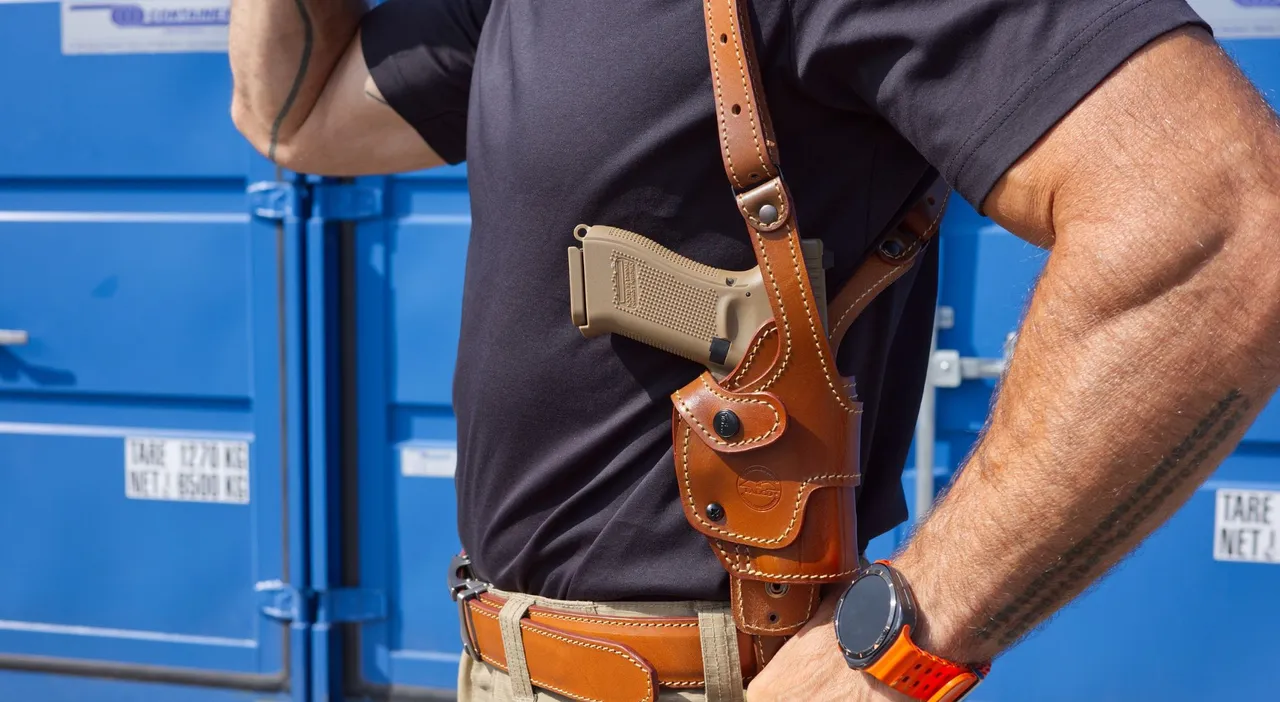
Shoulder Holsters with Separate Belt Tie-Downs
| Tie-Down Type | How to Attach | How to Shorten / Tighten | How to Lengthen / Loosen |
|---|---|---|---|
| Leather | Stand upright with the harness adjusted. The lower section with the snap attaches to your belt. | If the tie-down hangs below your belt, bring the upper adjustment holes together until the snap reaches belt level. Count the holes and reposition the Chicago screw. | If the tie-down sits too high, move the Chicago screw to a position that allows the snap to reach your belt. |
| Nylon Webbing | Attach the lower section with the snap to your belt after adjusting the strap length. | If the tie-down hangs too low, pinch the webbing to measure the excess length. Remove the holster and feed the strap through the buckle to shorten it, just like adjusting backpack straps. | If the tie-down sits too high, feed the webbing through the buckle in the opposite direction until it reaches your belt. |
| Elastic | Thread your belt directly through the elastic loop, similar to an OWB holster. No snap is required. | Pull the end of the strap to adjust the tension. The harness and tie-down should remain properly tensioned when standing upright. | If the harness feels too tight or pulls on your shoulders, loosen the elastic strap. Check for twisting, bunching, or deformation. |
If you have a smaller frame, you may notice some excess strap hanging from your belt tie-down after adjusting it. While you might be tempted to cut it off, don't! There's a much simpler solution that preserves the original strap length. Remove your shoulder holster and unscrew the Chicago screw. Reverse the direction in which the strap passes through the holster or magazine pouch, then reattach the screw in its original adjustment position.
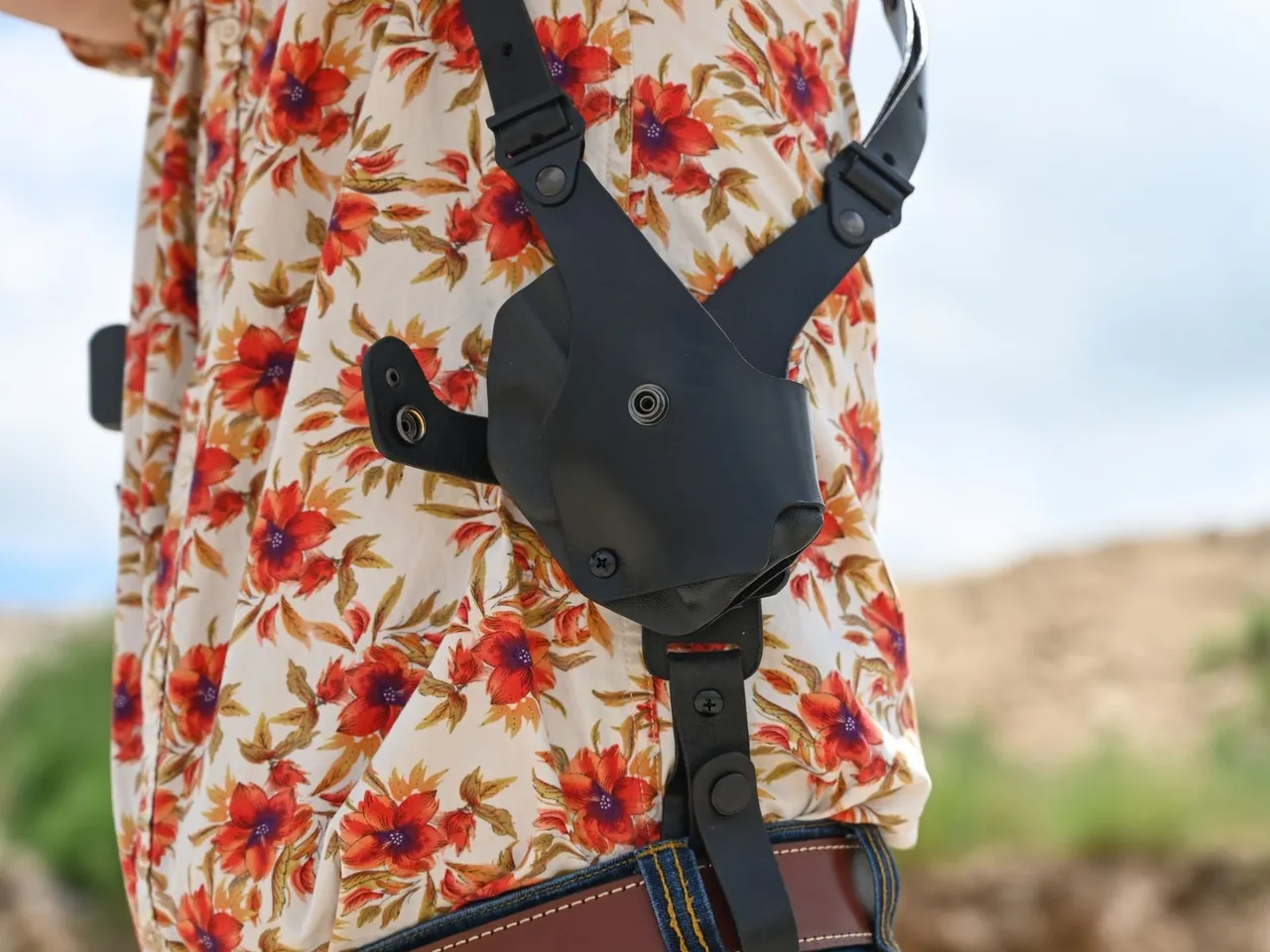
This allows the excess strap to face your body instead of hanging outward. You can then tuck it neatly inside your waistband for a cleaner appearance.
How to Adjust a Shoulder Holster Counterbalance
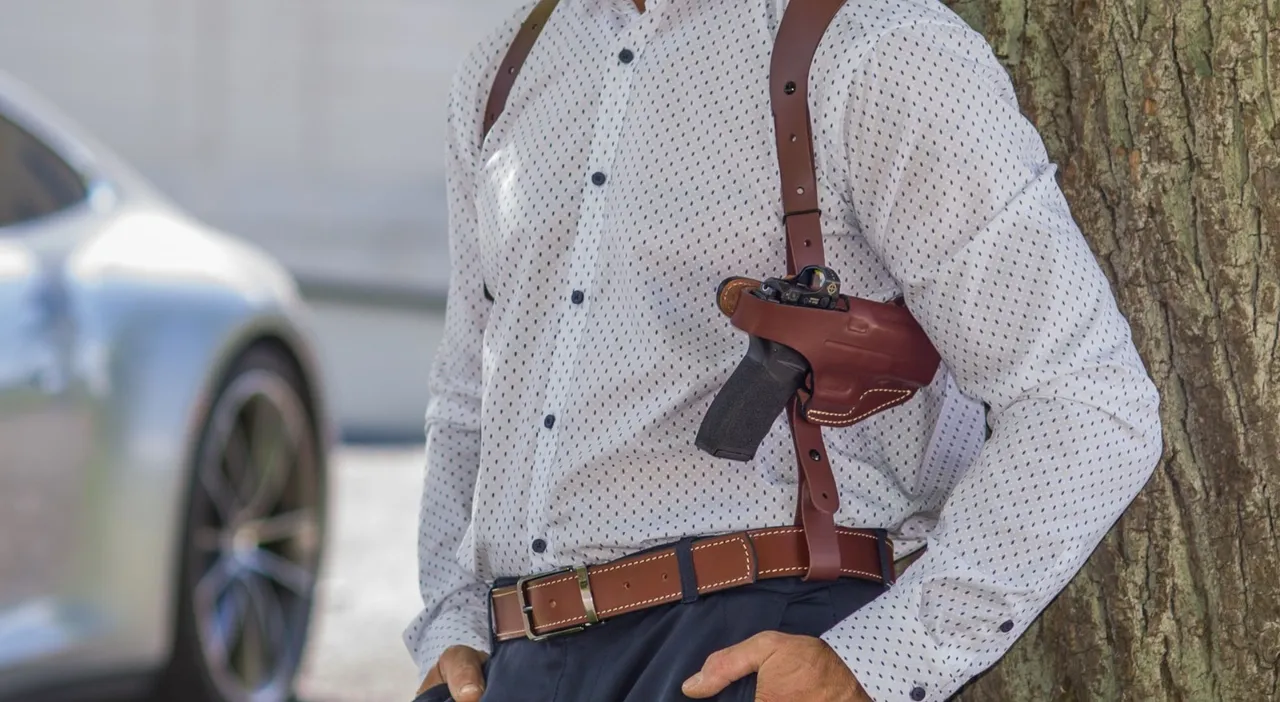
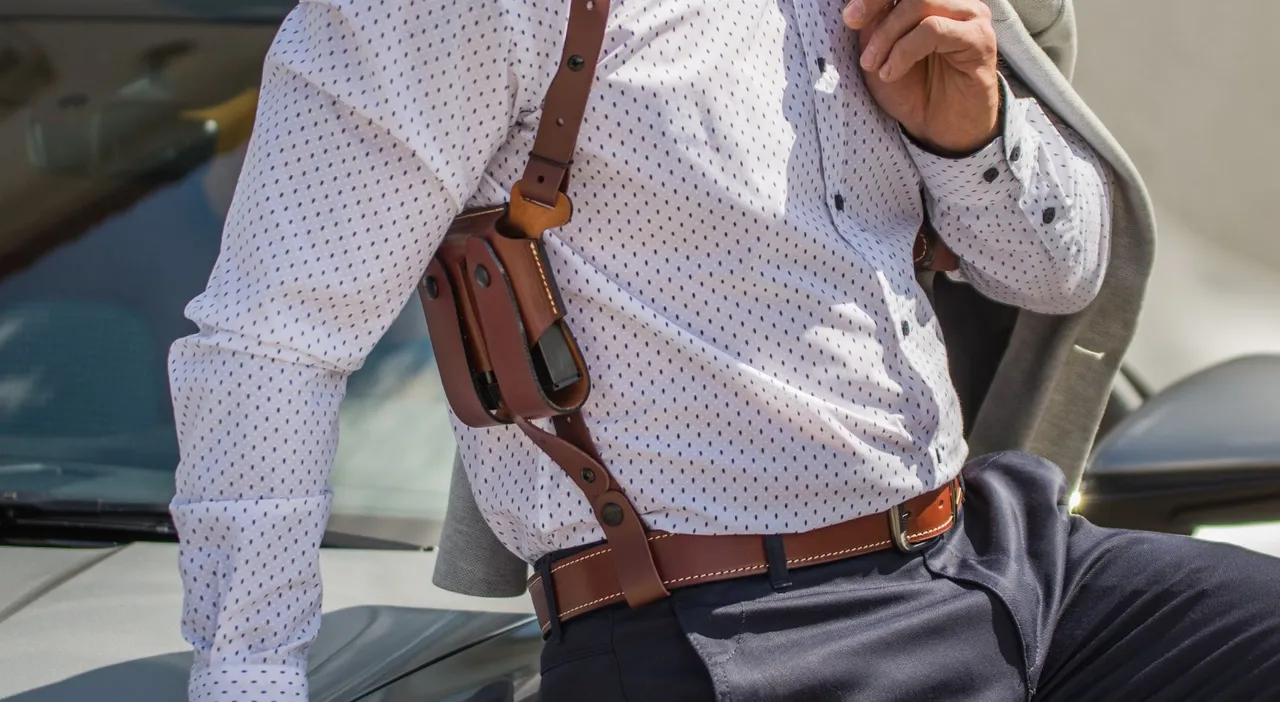
Counterbalances use separate belt tie-downs, so the adjustment methods described above also apply to them. First, position the counterbalance at the correct height along your body. Next, insert your fully loaded magazines or speedloaders and check their retention.
If the fit needs adjustment, use the retention screw located in the middle of the pouch. Make sure the magazines or speedloaders are held securely without making removal unnecessarily difficult. For fitting and retention checks, use inert training items where available and follow appropriate safety precautions.
How to Wear Different Shoulder Holster Designs
A picture is worth a thousand words, especially when it comes to shoulder holster positioning. The illustrations below show the front and rear views of four common shoulder holster configurations.
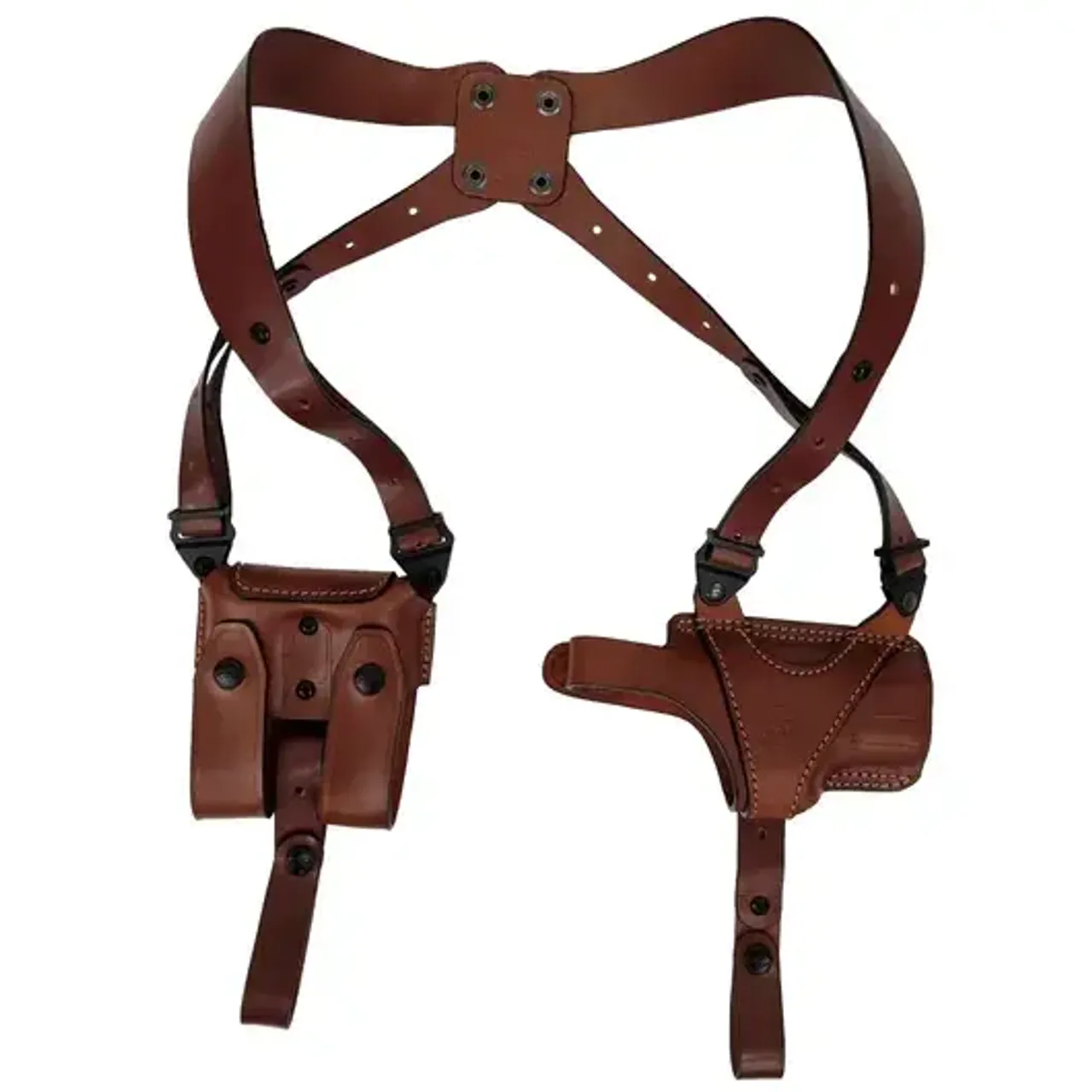
Horizontal Leather Shoulder Holster with a Harness and Double Magazine Pouch
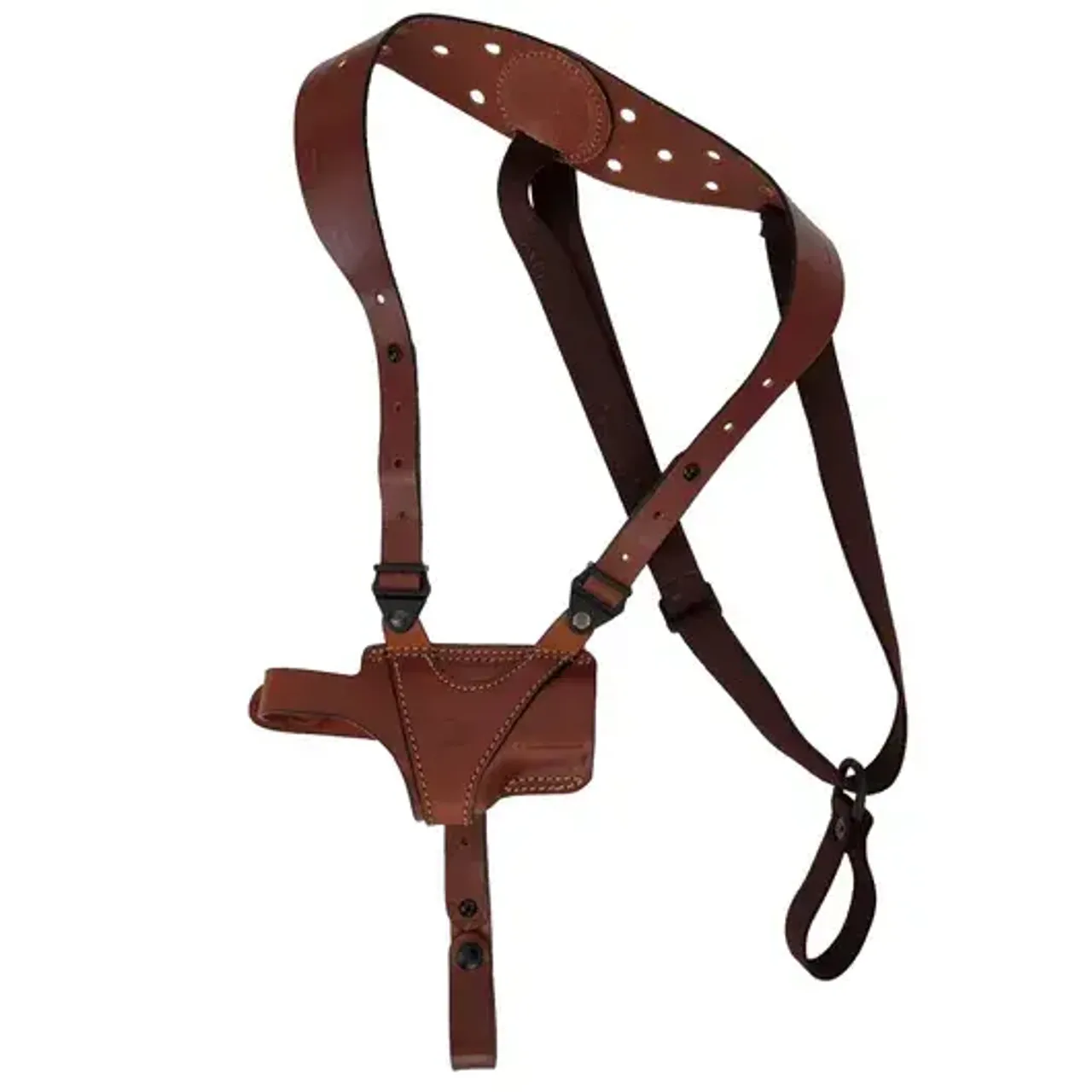
Horizontal Leather Shoulder Holster with Adjustable Harness
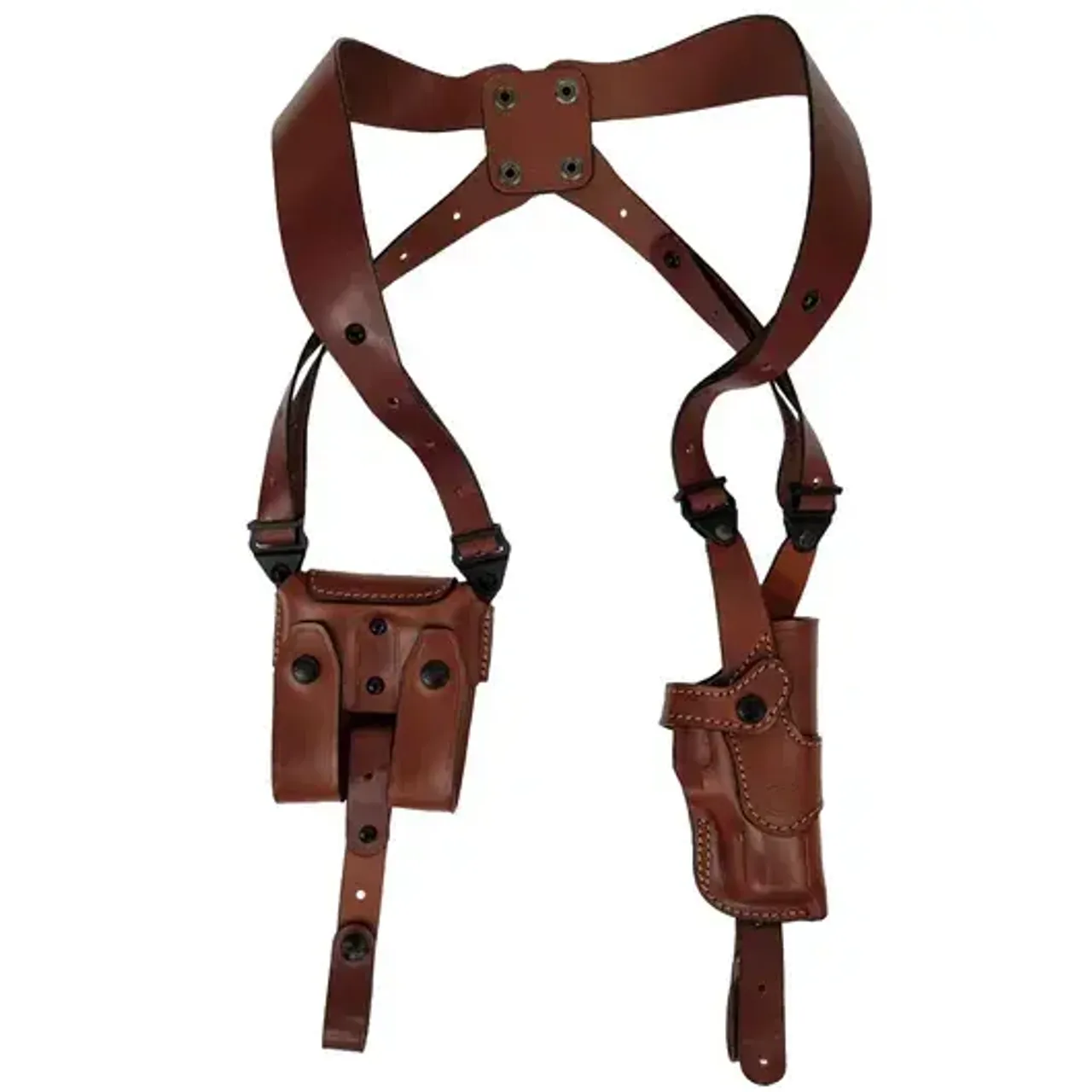
Vertical Leather Shoulder Holster with a Harness and Double Magazine Pouch
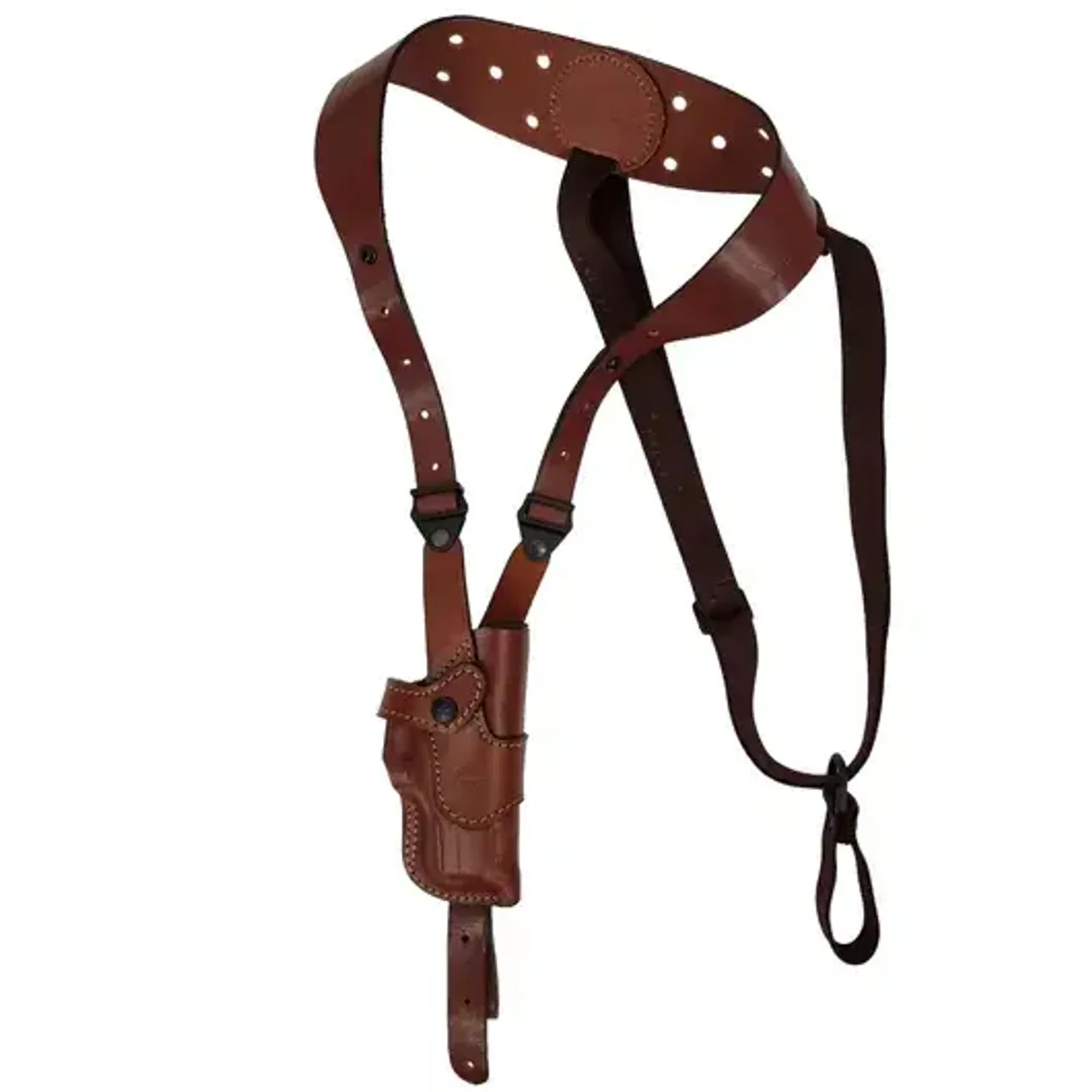
Horizontal Leather Shoulder Holster with Adjustable Harness


Martin Lukačko
5.11.2026


